Monday, 3 June 2013

Monday, 11 March 2013
sketchbook work
 |
| This picture was taken from a book that i bought, to help me and my group with our group project 'environments'. at fist i drew it out in pencil then to get the colour i used water colours to help get the tone of colours |
 |
| this drawing was apart of my group assignment environments, |


 |
| This drawing was drawn in the college building library. I used a pencil to draw this image, i also used various thickness of the lines and shading i created the shading by smudging the led of the pencil. |
mutations
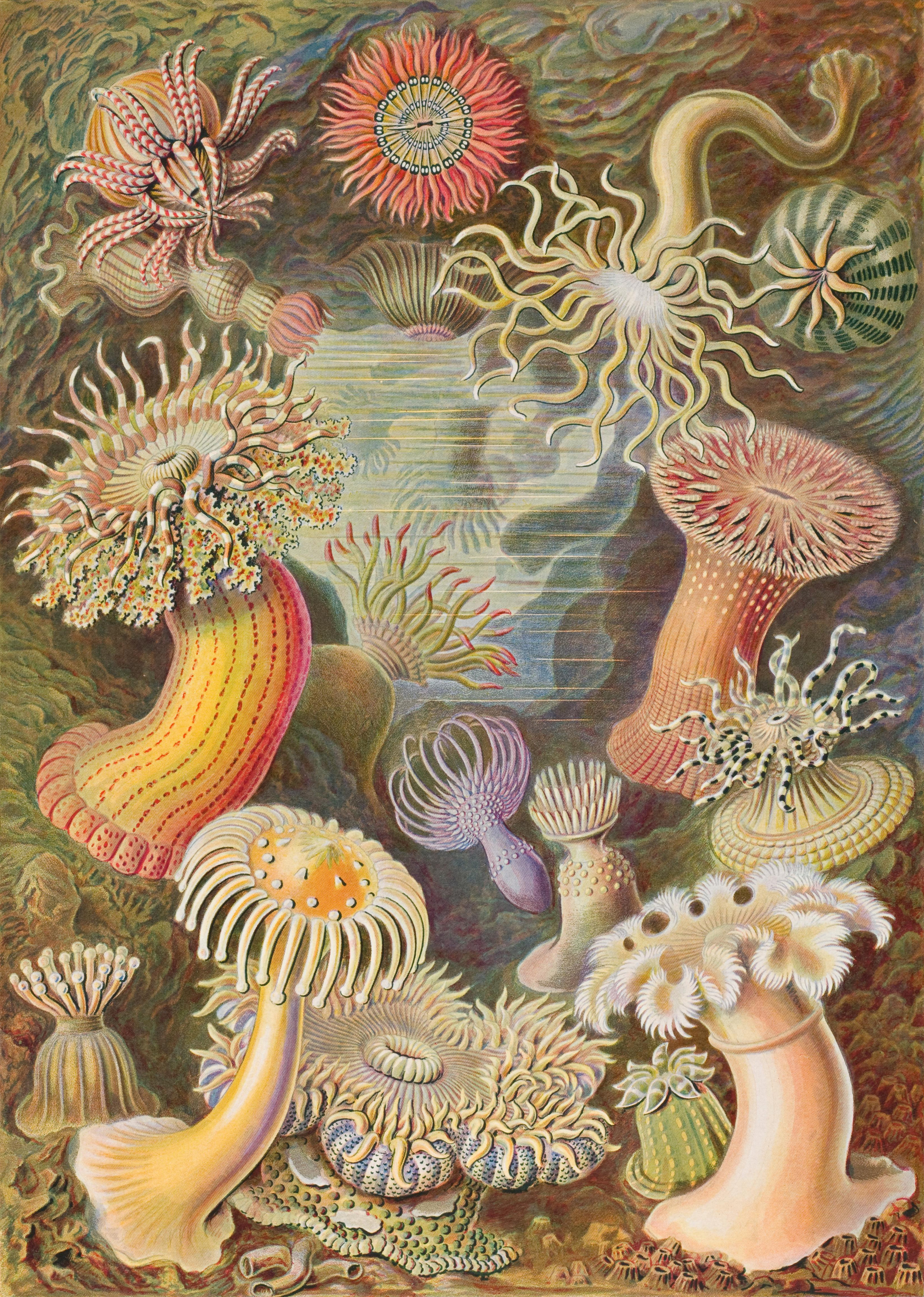
Name:Ernst Haeckel
DOB: February 16, 1834
Death:August 9th, 1919 (84)
Nationality: Germany
Information:Ernst Haeckel was a biologist, philosopher professor and artist he was a man who discovered,described and named thousands of new species.The artwork that he published does in fact include over 100 detailed, multi-colour illustrations of both animal and sea creatures. Haeckel produced hundreds of illustrations that people can understand with images that were bright and colourful. Ernst was the first man to do this.

Name:Kate Malone
DOB: 29th September 1959
Death:N/A
Nationality: British
Information: Kate is well known for her extravagent sculptural vessels and rich bright glazes. She studied Ceramics at bristol and achieved BA and went on for a MA at the Royal College Of Art in London. "I work in three areas; large scale public projects, one of a kind ceramics and playful smaller pieces." Quote from Kate Malone' website

Name: Francis Bacon
DOB: 28 October 1909
Death: 28th April 1992
Nationality: Irish
Information: Francis is a great British figurative painter known best for his bold, graphic an emotionally imagery. He began painting during his early 20s and worked only sporadically until his mid-30s. During his 20's he spent his times traveling from London to Berlin then on to Paris then he finally returned to London.

Name: Salvador Dali (birth name Salvador Domingo Felipe Jacinto Dali i Domenech)
DOB: May 11, 1904
Death: January 23, 1989
Nationality: Spanish
Information: Salvador Dali specialized in painting, drawing, photography, sculpture, writing and film. He studied at San Fernando school of fine arts which is located in Madrid. Dalí was highly imaginative, and also enjoyed indulging in unusual and grandiose behavior. His eccentric manner and attention-grabbing public actions sometimes drew more attention than his artwork.

Bibliography:
DOB: February 16, 1834
Death:August 9th, 1919 (84)
Nationality: Germany
Information:Ernst Haeckel was a biologist, philosopher professor and artist he was a man who discovered,described and named thousands of new species.The artwork that he published does in fact include over 100 detailed, multi-colour illustrations of both animal and sea creatures. Haeckel produced hundreds of illustrations that people can understand with images that were bright and colourful. Ernst was the first man to do this.
Name:Kate Malone
DOB: 29th September 1959
Death:N/A
Nationality: British
Information: Kate is well known for her extravagent sculptural vessels and rich bright glazes. She studied Ceramics at bristol and achieved BA and went on for a MA at the Royal College Of Art in London. "I work in three areas; large scale public projects, one of a kind ceramics and playful smaller pieces." Quote from Kate Malone' website

Name: Francis Bacon
DOB: 28 October 1909
Death: 28th April 1992
Nationality: Irish
Information: Francis is a great British figurative painter known best for his bold, graphic an emotionally imagery. He began painting during his early 20s and worked only sporadically until his mid-30s. During his 20's he spent his times traveling from London to Berlin then on to Paris then he finally returned to London.

Name: Salvador Dali (birth name Salvador Domingo Felipe Jacinto Dali i Domenech)
DOB: May 11, 1904
Death: January 23, 1989
Nationality: Spanish
Information: Salvador Dali specialized in painting, drawing, photography, sculpture, writing and film. He studied at San Fernando school of fine arts which is located in Madrid. Dalí was highly imaginative, and also enjoyed indulging in unusual and grandiose behavior. His eccentric manner and attention-grabbing public actions sometimes drew more attention than his artwork.

Bibliography:
Monday, 25 February 2013
Monday, 21 January 2013
Objects artists
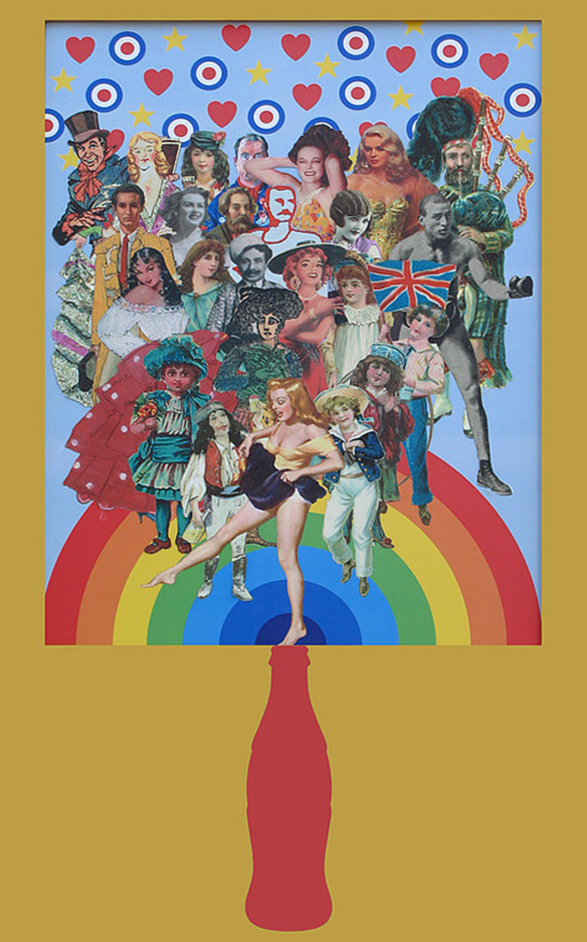
Peter Blake:
Date of Birth: 25 June 1932
Nationality: British
Peter Blake was trained in the Royal College Of Art.


Date of Birth: 25 June 1932
Nationality: British
Peter Blake was trained in the Royal College Of Art.
Sir Peter Thomas Blake, CBE, RDI, RA (born 25 June 1932) is an English pop artist, best known for his design of the sleeve for the Beatles' album Sgt. Pepper's Lonely Hearts Club Band. He lives in Chiswick, London, UK.
Sir Peter Blake's work reflects his fascination with all streams of popular culture, and the beauty to be found in everyday objects and surroundings. Many of his works feature found printed materials such as photographs, comic strips or advertising texts, combined with bold geometric patterns and the use of primary colours. The works perfectly capture the effervescent and optimistic ethos of the sixties, but are also strikingly fresh and contemporary. There is also a strain of sentimentality and nostalgia running throughout his work, with particular focus towards childhood innocence and reminiscence, as can be seen clearly in his recent Alphabet series.


Joseph Cornell:
Date Of Birth: December 24, 1903
Date Of Death: December 29, 1972 aged 69
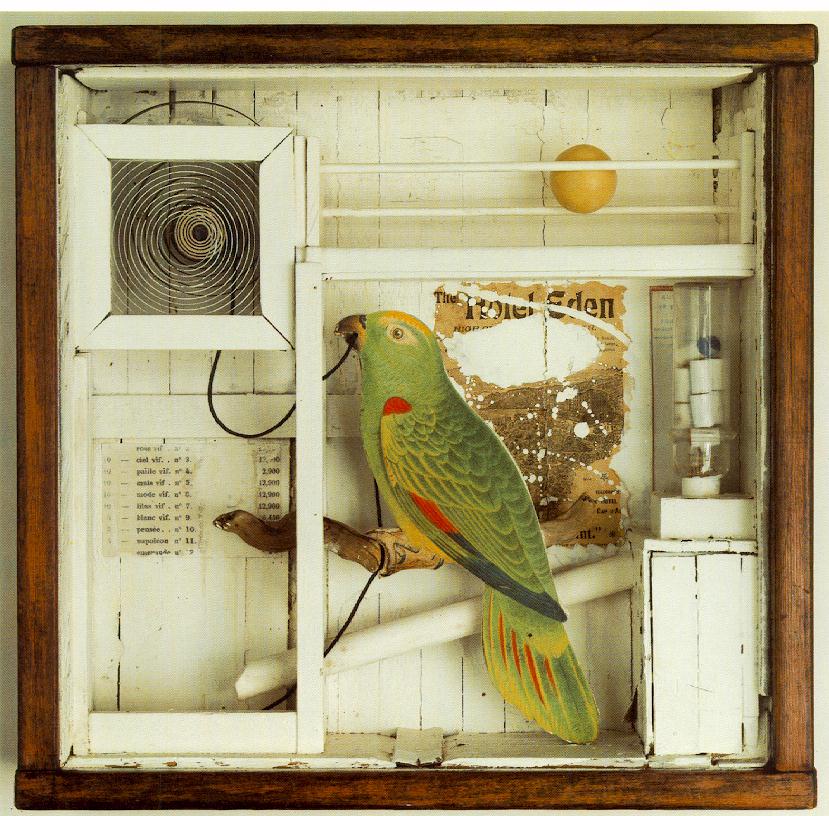
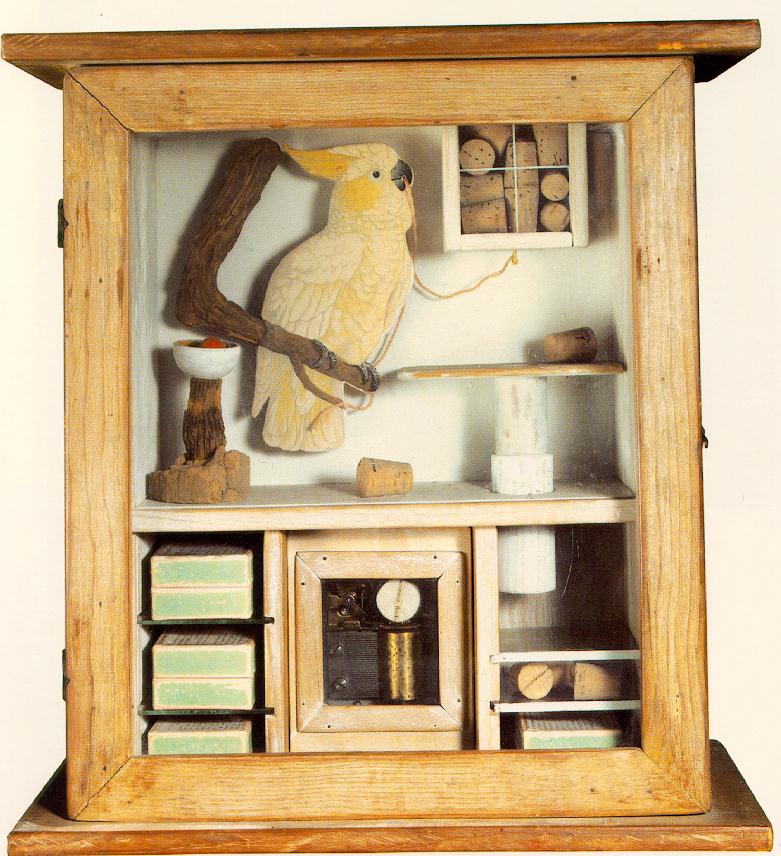
Joseph Cornell was born in Nyack, New York, American artist and sculptor, one of the pioneers and most celebrated exponents of assemblage. Cornell's most characteristic art works were boxed assemblages created from found objects. These are simple boxes, usually fronted with a glass pane, in which he arranged surprising collections of photographs or Victorian bric a brac, in a way that combines the formal austerity of Constructivism with the lively fantasy of Surrealism. Many of his boxes, such as the famous Medici Slot Machine boxes, are interactive and are meant to be handled.

_by_Joseph_Cornell,_c._1958,_Museum_of_Modern_Art,_(New_York_City).jpg)
Lisa Milroy:
Date of Birth: 1959, Vancouver
Nationality: British
Lisa Milroy is a Anglo-Canadian painter who lives and works in the UK. Lisa Milroy was born in 1959 and raised in Vancouver, Canada. She moved to London in 1979 to study at Goldsmiths College. Her subsequent series of paintings of objects in groups (rows, clusters, layers or grids) borrowed the language of hardware catalogues, shop display windows and formal arrangements in art and photography, while yet creating autonomous visual statements. Sometimes her arrangement of objects was influenced by their functional identity, so that, for example, stamps become islands for the eyes to travel between or wheels speed forward at an unstoppable visual pace.


.jpg)
Wednesday, 24 October 2012
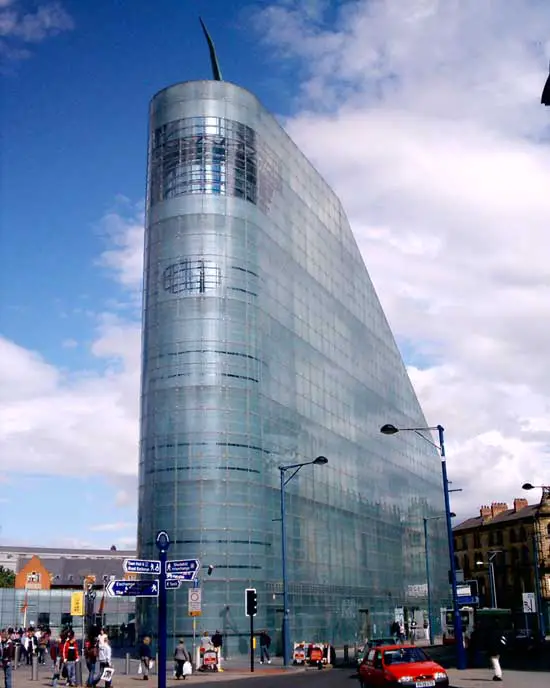
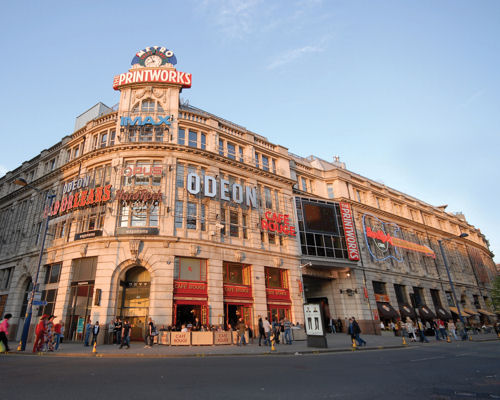
20 images of Architectural Structures from Manchester/Salford






PERSONAL COMMENT
I have found the art side of game design is not what i expected it, i expected it to be similar to high school work but i was wrong i find it alot more exciting and interesting. also i have found new skills that i am in the learning process of more skills because we are using various equipment such as pencil, stick and ink, watercolours, stencil cuts, collages, fine-liner studies and much more.
During the art side of game design i have found the collages difficult because i need to sort pictures of buildings on paper, i think it would of been easier if i could of done it on the computer first seen how it looked then printed the pictures off separately then copied what i have done on the computer.
i enjoyed everything in the course that we have done so far mainly using the craft knife where i had to cut out a stencil of a building the reason why i enjoyed this is because it was fun and challenging at the same time.
Monday, 22 October 2012
Animation Research
Flip Book Animation
Anime
While the earliest known Japanese animation dates to 1917, and many original Japanese animations were produced in the ensuing decades, the characteristic anime style developed in the 1960s—notably with the work of Osamu Tezuka—and became known outside Japan in the 1980s.
Anime, like manga, has a large audience in Japan and recognition throughout the world. Distributors can release anime via television broadcasts, directly to video, or theatrically, as well as online.
A flip book or flick book is a book with a series of pictures that vary gradually from one page to the next, so that when the pages are turned rapidly, the pictures appear to animate by simulating motion or some other change. Flip books are often illustrated books for children, but may also be geared towards adults and employ a series of photographs rather than drawings.
Anime, like manga, has a large audience in Japan and recognition throughout the world. Distributors can release anime via television broadcasts, directly to video, or theatrically, as well as online.
Stop frame animation
Stop motion is an animation technique to make a physically manipulated object appear to move on its own. The object is moved in small increments between individually photographed frames, creating the illusion of movement when the series of frames is played as a continuous sequence.
claymation
Clay animation or claymation is one of many forms of stop motion animation. Each animated piece, either character or background, is "deformable"—made of a malleable substance, usually Plasticine clay.
All traditional animation is produced in a similar fashion, whether done through cel animation or stop motion. Each frame, or still picture, is recorded on film or digital media and then played back in rapid succession.
Flash Animation
A Flash animation or Flash cartoon is an animated film which is created using Adobe Flash or similar animation software and often distributed in the .swf file format. The term Flash animation not only refers to the file format but to a certain kind of movement and visual style which, in many circles, is seen as simplistic or unpolished. However, with dozens of Flash animated television series, countless more Flash animated television commercials, and award-winning online shorts in circulation, Flash animation is enjoying a renaissance.
Subscribe to:
Posts (Atom)